Can You Double Glaze Existing Sash Windows?
 Written by Murray Smith
Founder & Managing Director, Bespoke Windows
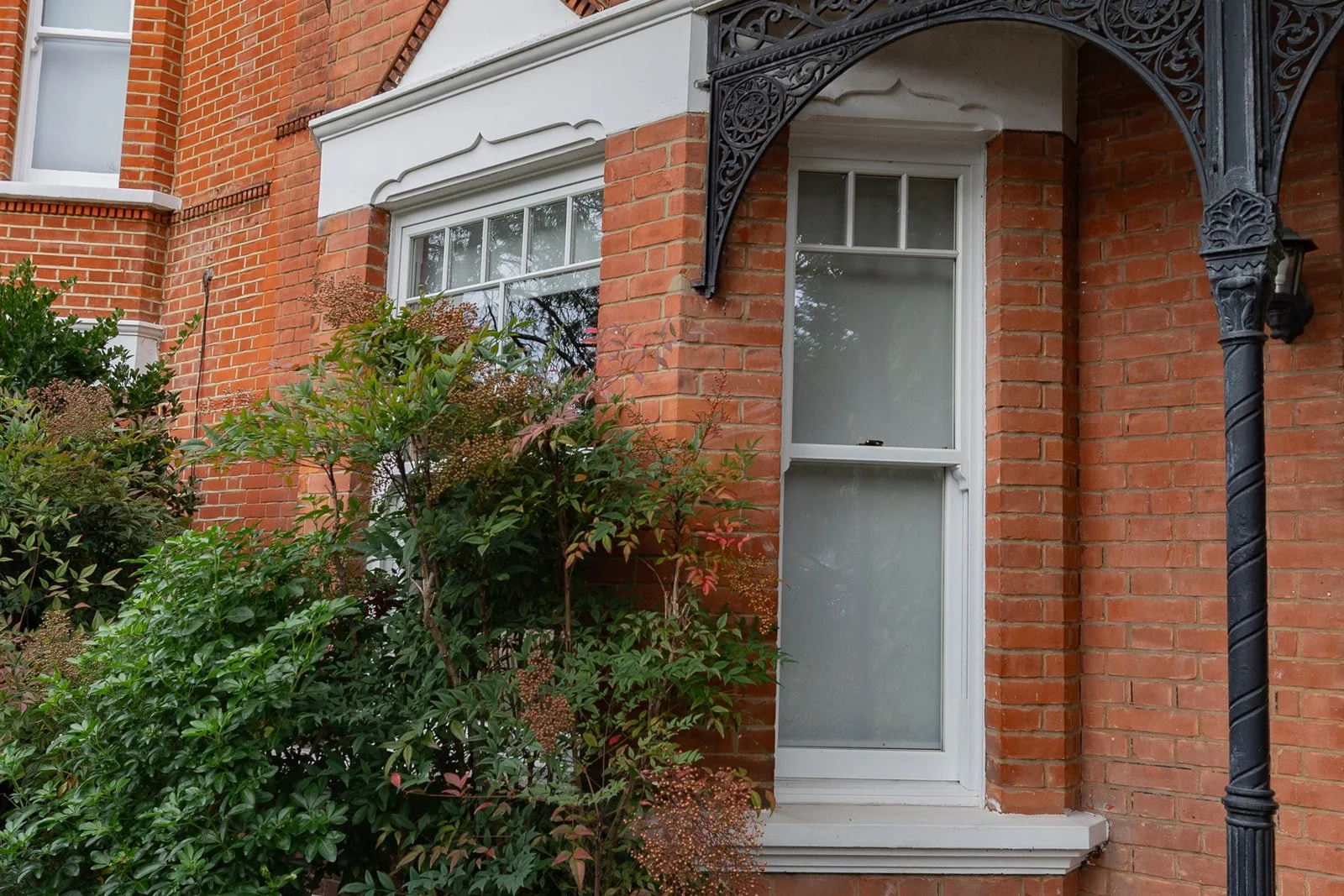
I’ve surveyed and quoted thousands of sash windows across London since I started Bespoke Windows in 1987, and a common question I get from home owners is: can my existing single glazed sash windows be retrofitted with double glazing?
It’s understandable - if your home has characterful, original sash windows, you likely want to preserve the heritage of the property. But you also want to reduce heat loss and noise, which I assume has brought you to this article.
Here’s my honest take as someone who’s been in the sash window industry for over 40 years.
Can I keep my sash windows and just put double glazing in them?
The short answer is yes, it's possible, and it does make for a cheaper job. The longer answer, and one I've given to homeowners many times, is that it's often not the best solution.
It can go well depending on the condition of your current windows, but I've also seen retrofitted double glazing cause more issues than it solves. There are some very practical reasons why, which I'll come to.
Your options for upgrading original sash windows
When homeowners ask about what to do with their draughty, single-glazed sashes, there are really four routes:
Repair and draught-proof. Keep everything original, replace rotten sections, add brush seals. If you don't need extra warmth or sound insulation, or have conservation restrictions, this is frequently the best choice.
Secondary glazing. A separate, discreet pane fitted on the inside of the existing window. The original window is untouched, which makes it a sensible route for listed buildings where more insulation is needed but nothing external can change.
Retrofit double glazing into the existing sashes. This is what most people mean when they ask the question, and it's what the rest of this post is about.
Replace the windows. Either fully, or partially with new, high performance double glazed units.
None of these is 'right' in every case. Which one suits you depends on the condition of your windows, what your building will allow, what's bothering you most (cold, noise, maintenance, or all three) and your budget.
How double glazing is added to existing sash windows
Here's what the retrofit process actually involves. I'm describing this so you can judge for yourself whether it's the right thing for your home, and so you know what to expect.
1. Survey the sashes. Each sash is checked for the depth of its glazing rebate (the groove the glass sits in), the condition of the timber and the joints, and whether the box frame is stable. This step determines the feasibility of installing an additional pane to make your windows double glazed.
2. Remove the sashes. The staff beads and parting beads come off, the cords are cut or unhooked, and each sash is taken out.
3. Remove the old glass and putty. The single pane is cut out, the putty is chipped away and the rebate is cleaned back to bare timber.
4. Deepen the rebate. A single pane is around 3–4mm thick. Even a 'slimline' double glazed unit is typically 12–16mm, so the rebate has to be routed out deeper to take it.
5. Fit the new units. Sealed double glazed units are bedded in, then held with beads or a putty-style finish, depending on the look you want.
6. Rebalance the weights. Two panes of glass weigh a lot more than one. The lead or cast iron weights in the box have to be swapped for heavier ones to accommodate.
7. Refit, draught-proof and redecorate. New cords, new beads, brush seals, and a repaint.
If your sashes are in excellent condition, built from good dense timber, with deep rebates and a sound box frame, retrofitting can be a perfectly reasonable thing to do. I've seen it done well.
However, many will struggle to pass the first step of the survey, as everything hinges on the condition of the original sash, and, just as importantly, the box it sits in.
The benefits of retrofitting double glazing
If you’re lucky enough to have sash windows in a workable condition, and all alternative options considered, there are benefits to double glazing existing sashes:
It's cheaper up front. You're not paying for new frames, and on a house full of windows that can add up.
You keep your original timber. If the sashes are in good order, you retain the joinery, the glazing bars and the history.
It's less disruptive. No frames come out, so there can be less making good.
It can be the only option in some listed buildings. Where replacement simply isn't permitted, retrofit or secondary glazing may be your only choice for better heat insulation.
What can go wrong, and what I've seen over the years
The timber doesn't have enough depth. Many Victorian and Edwardian sashes were made with slim rebates for single glass. Routing them out to take a double glazed unit leaves very little timber between the glass and the outside face of the sash. That can weaken the joints, and a sash that's been weakened like this tends to sag, twist or split.
Hidden rot. You often don't find out how bad the bottom rail or the sill is until the glass is out. This can mean additional work is needed for the job to be done properly.
The extra weight. Swapping single for double glazing roughly doubles the weight of the glass, so the counterbalance weights have to go up in weight and size to match. Because the original box stays, you're trying to fit larger weights into the same narrow cavities they were never designed for, which becomes a problem for obvious reasons. Old joints, cords and pulleys weren't built for the extra load either. If the rebalancing is compromised (or skipped entirely) you get a sash that won't stay open, or crashes down, or is difficult to lift.
Slim units are less durable. To fit into old timber, retrofit jobs need to use very thin sealed units with a narrow gap between the panes. These can have a shorter working life than a deeper unit, and are more prone to misting up as the seal fails.
You've only solved half the problem. The glass is one source of cold and noise. However, the box frame, the weight pockets, the gaps around the beads and the parting bead are the others. Retrofitting the glass without doing everything else properly means you'll likely still have energy efficiency and noise problems.
It's rarely as 'cheap' as quoted. Once the rot repairs, rebalancing, new beads, draught-proofing and full redecoration are added up, the gap between retrofit and replacement narrows.
Conservation issues. Deepening rebates and adding thick beads changes the sightlines of the window. If you're in a conservation area, don't assume retrofit is automatically an 'approved' route.
What about new sashes in the existing boxes?
A question that often follows is: rather than double glazing my old sashes, why not have new double glazed sashes made and fitted into the original box frames?
On paper it's a good compromise. You keep the original box and architrave, and get a purpose-built sash with proper glazing.
In practice, it poses a problem most homeowners miss. Most period houses have, over a century or more, moved out of level, square and plumb.
The window frames move in exactly the same way, so the sashes end up no longer closing parallel onto the outer frame. New double glazed sashes can be fitted into an old, distorted box, but what you're really doing is trying to fit perfect rectangles into twisted parallelograms.
The fitter ends up planing triangular slivers off the new sashes to get them to run in the box, while still trying to make the two sashes meet exactly at the middle rail. It's an almost impossible task to do well, and the result is usually a window that binds, rattles, or lets in a draught at the meeting rail.
The weight problem is the same as with retrofitting. A double glazed sash needs bigger, heavier counterbalance weights, and if the box isn't being changed, those weights have to squeeze into the original, smaller cavities.
So while new sashes in old boxes can work where the box is genuinely still square and sound, it's rarely the shortcut it appears to be.
When new sash windows are the better option
For full transparency - Bespoke Windows do not repair, secondary glaze or retrofit double glazing. So naturally you'd expect me to recommend new windows.
But I'll also happily tell someone to repair their windows when that's the right answer, and I've done so many times. I started this business for the love of preserving period properties, and that will never change.
Technology and our everyday lives have come a long way since Victorian times, though. The demand for windows suited to modern living (energy efficiency, low maintenance and high performance) while keeping their traditional charm means new windows now rival the other options on every front except upfront cost.
New windows tend to make more sense when:
There's rot, decay or little to no past maintenance. If the timber is soft anywhere, adding weight and removing material is likely to cause more issues than it solves.
The box has moved. A new box frame is square, plumb and true, and the sashes are made to fit it exactly. It's the only way to guarantee sashes that close parallel, meet cleanly at the middle and seal properly all round, with weights sized to match the glass, in a cavity built to take them.
You want a real difference in sound insulation. A full-depth double glazed unit with a proper gap, set in a frame that's draught-sealed all round, outperforms a slim retrofit unit in an old box.
Low maintenance matters to you. Our heritage uPVC sash windows – what we call Hi-Tech Traditional – combine uPVC and wood so they look like the originals, but don't need repainting and easily tilt in for cleaning. If you're tired of the upkeep, retrofitting double glazing won't help.
The house has already lost its originals. A surprising number of the 'original' sashes I'm asked to look at were replaced in the 1970s or 80s with something inappropriate. In this case, there's nothing to preserve, and every reason to put back something that looks right.
So, can you double glaze existing sash windows?
Yes. Should you? Only in cases where the sashes are in genuinely good condition, the windows are suitable to support an additional page, and you understand it won’t address issues with other parts of the window beyond the glazing.
If any of those aren't true, you'll save yourself money and frustration by looking at new windows – timber or heritage uPVC – or, in a listed building, at secondary glazing or repair & draught proof work.
If you’re based in the South London area and need a clearer idea of the options available to you, visit or East Dulwich Showroom or book a free home quote with one of our sash window specialists.